
Hello, I’m Ben, and I want to share an update on the ongoing renovations here at Shinwa Foreign Language Academy. As someone dedicated to making our school a better place for students and staff, I’ve been working hard to refresh and repair our facilities—especially on the 4th floor. Dueing spring break I repaired walls and repainted all classrooms and the hall / lobby on the 2nd floor.
Hallway Repainting
Recently, I completed repainting the hallway on the 4th floor. The new coat of paint has really brightened up the space, making it feel more welcoming for everyone who passes through. I believe a clean and vibrant hallway sets a positive tone for both current and prospective students.
Classroom 401 Repairs and Repainting
One of my main projects has been classroom 401. The walls needed attention, so I repaired the damaged areas and gave the room a fresh repaint. Now, classroom 401 looks much cleaner and more inviting—a better environment for learning Japanese.
Ongoing Improvements
These renovations are part of my ongoing efforts to make Shinwa Foreign Language Academy as presentable and comfortable as possible. I’m committed to continuous improvements, whether it’s fixing up classrooms, repainting common areas, or addressing any maintenance issues that come up. My goal is to ensure our school remains a top choice for Japanese language education in Tokyo, not just because of our teaching, but also because of the quality of our facilities.
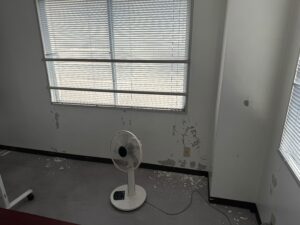
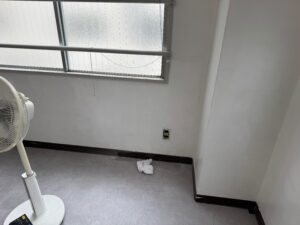
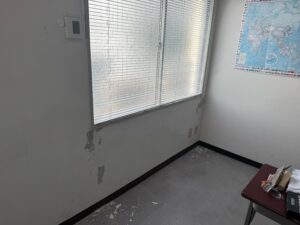
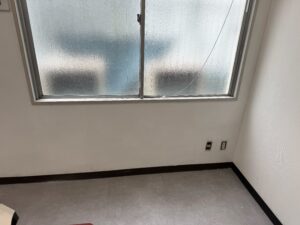
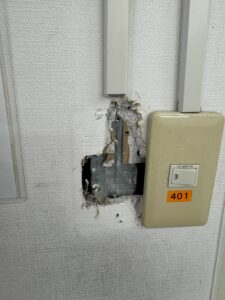
As part of my ongoing renovation work at Shinwa Foreign Language Academy, I’ve been addressing various imperfections on the 4th floor—especially in the hallway and classroom 401. Here’s a more detailed look at the process I follow to repair holes, smooth surfaces, and seal cracks in concrete and walls.
1. Filling Holes in Concrete and Walls
- Cleaning the Area:
I start by clearing away any dust, debris, or loose material from the hole using a brush or vacuum. This ensures a solid bond for the repair material. - Choosing the Right Filler:
For small holes in concrete, I use a pre-mixed concrete patch or a cement-based filler. For drywall or plaster, I use spackle or joint compound. - Applying the Filler:
Using a putty knife or trowel, I press the filler into the hole, slightly overfilling to account for shrinkage as it dries. - Smoothing the Surface:
I smooth out the patch with the knife so it’s flush with the surrounding area, removing excess material. - Drying Time:
I allow the filler to dry completely, following the manufacturer’s instructions (usually several hours to overnight).
2. Sanding Down Repaired Areas
- Initial Sanding:
Once the filler is dry, I use medium-grit sandpaper (around 120–150 grit) to level the patch with the wall or floor. - Finishing Sanding:
For a smooth finish, I switch to fine-grit sandpaper (220 grit or higher) and gently sand the area until it blends seamlessly with the surrounding surface. - Dust Removal:
After sanding, I wipe down the area with a damp cloth to remove all dust, ensuring a clean surface for painting or sealing.
3. Sealing Cracks in Concrete
- Inspecting Cracks:
I check for cracks that could allow moisture or pests to enter. Hairline cracks can often be sealed with concrete caulk, while larger cracks may need a patching compound. - Cleaning the Crack:
I use a wire brush and vacuum to clear out any loose particles from the crack. - Applying Sealant:
For small cracks, I use a concrete crack sealant or caulk, applying it directly into the crack with a caulking gun. For larger cracks, I use a patching compound, pressing it in with a putty knife. - Smoothing and Shaping:
I smooth the sealant with a wet finger or tool to ensure it’s flush with the surface. - Curing:
I allow the sealant or patch to cure fully before painting or further finishing.
4. Final Steps
- Priming (if needed):
Before repainting, I apply a primer to the repaired areas to ensure even paint coverage and adhesion. - Painting:
I finish by repainting the repaired and sanded surfaces to match the rest of the hallway or classroom, resulting in a clean, professional look.
By carefully filling holes, sanding down repairs, and sealing cracks, I’m making sure the 4th floor at Shinwa Foreign Language Academy is not only more presentable but also protected against future wear and tear. This attention to detail helps create a welcoming and durable environment for everyone at the school.